
In today’s fiercely competitive marketplace, establishing a strong brand is no longer a mere option; it is an absolute imperative for businesses striving for recognition, customer loyalty, and long-term success. Branding can be powerful, wielding a significant influence over consumer perception, purchasing decisions, and overall business value. While often associated solely with logos and taglines, branding encompasses a far broader spectrum, representing the essence of your business and the promise you make to your customers.
Let us delve into the five crucial reasons why a powerful brand truly matters in today’s business landscape.
Key Takeaways
A powerful brand is the most valuable intangible asset a business owns, serving as the foundation for customer loyalty, market positioning, and long-term success.- Drives Differentiation: A strong brand establishes a distinct personality and promise, allowing your business to cut through the noise and stand apart from competitors in a crowded marketplace.
- Builds Equity & Trust: Consistent branding signals professionalism and reliability, which builds crucial trust with consumers and enables the brand to command a price premium.
- Fuels Growth: Branding is the cohesive framework that makes all marketing efforts more effective, while also attracting top-tier talent and significantly enhancing the overall business valuation for investors.
- It’s More Than a Logo: A complete brand identity encompasses the visual elements (logo, colours) as well as the Brand Promise, Positioning, and Brand Voice, all of which must be consistently executed.
5 Reasons Why Branding is Matters
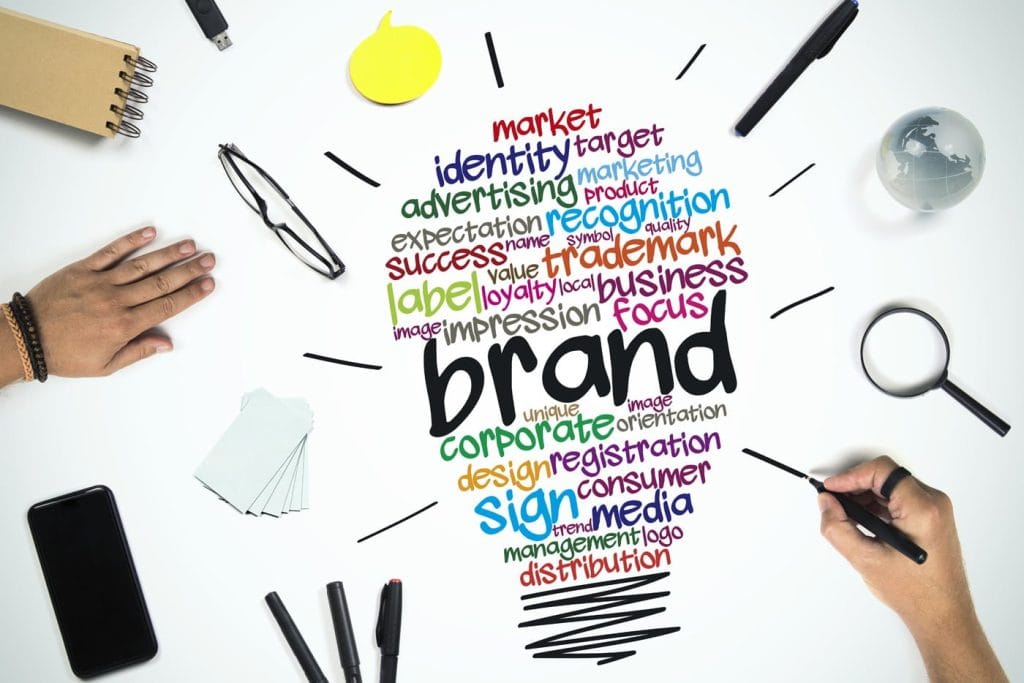 Here are the 5 crucial reasons why branding matters:
1. Branding Establishes a Distinct Identity and Differentiation
In a sea of similar products and services, branding establishes a distinct identity that sets your business apart from the competition. Your brand is the unique personality of your company, encompassing your values, mission, voice, and visual elements. A well-defined brand helps you cut through the noise and create a memorable impression in the minds of your target audience. It communicates what makes your business different and why customers should choose you over others, fostering recognition and recall in a crowded marketplace.
2. Branding Builds Trust and Credibility with Your Audience
A consistent and compelling brand builds trust and credibility with your target audience. When your brand consistently delivers on its promises and communicates its values authentically, it fosters a sense of reliability and trustworthiness. Customers are more likely to engage with and purchase from brands they trust. A strong brand signals professionalism, expertise, and a commitment to quality, ultimately building long-term relationships and fostering customer loyalty. This trust extends beyond individual transactions, creating a foundation for repeat business and positive word-of-mouth referrals.
3. Branding Connects Emotionally with Your Target Market
Powerful branding goes beyond functional benefits; it connects emotionally with your target market. A well-crafted brand resonates with the values, aspirations, and pain points of your ideal customers, forging a deeper connection that transcends mere transactions. When customers feel an emotional connection with your brand, they are more likely to become loyal advocates, identifying with your brand on a personal level. This emotional connection fosters brand affinity, making customers more resistant to competitor offerings and more likely to champion your brand to others.
4. Branding Supports Marketing and Communication Efforts
A strong brand serves as a powerful foundation for all your marketing and communication efforts. Your brand messaging, visual identity, and overall brand voice provide a cohesive framework for your marketing campaigns, ensuring consistency and maximizing impact. A well-defined brand makes your marketing more effective by clearly communicating your value proposition and resonating with your target audience. This consistency across all communication channels strengthens brand recognition and reinforces your brand’s message, leading to more impactful and cost-effective marketing initiatives.
5. Branding Enhances Business Value and Attracts Talent
A powerful brand not only attracts customers but also significantly enhances business value and attracts talent. A well-respected and recognized brand often commands a premium in the market and is a more attractive asset for potential investors or acquirers.
Furthermore, a strong brand reputation attracts top talent who are drawn to companies with a clear mission, values, and positive image. Employees want to work for brands they believe in, and a strong brand can be a significant competitive advantage in attracting and retaining the best talent, ultimately contributing to the overall success and value of your business.
Also Read: How to Strengthen Your Brand and Build Trust
The Intangible Power of a Well-Defined Brand
Beyond these five key reasons, a well-defined brand yields numerous other intangible benefits. It fosters a strong internal culture, uniting employees under a common purpose and set of values. It provides a clear roadmap for business decisions, ensuring that all actions align with the brand’s identity and promise.
It builds resilience during challenging times, as customers are more likely to support brands they trust and connect with emotionally. In essence, a powerful brand becomes the very essence of your business, guiding its actions and shaping its future.
Investing in Your Brand: A Strategic Imperative
Building a strong brand is not an overnight endeavor; it requires time, effort, and a strategic approach. It involves understanding your target audience, defining your unique value proposition, crafting a compelling brand message, developing a consistent visual identity, and delivering on your brand promises consistently.
However, the long-term rewards of a powerful brand far outweigh the initial investment. It is a strategic imperative that can drive customer loyalty, enhance business value, and ultimately lead to sustained success in today’s competitive marketplace.
The Anatomy of a Powerful Brand: Core Identity Elements
The article stresses that branding is more than a logo, but what exactly does the ‘brand’ encompass? For strategic development, a business must define four core elements that together form its complete identity.1. Brand Strategy (The Foundation)
This is the intellectual core of the brand, answering the “why” and “what.”- Brand Purpose: Why the company exists beyond making money.
- Brand Promise: The singular benefit or value the customer can expect every single time (e.g., FedEx: “Your package will arrive on time, guaranteed.”).
- Brand Positioning: How the brand differentiates itself from competitors and where it sits in the customer’s mind.
2. Brand Voice and Tone (The Personality)
This dictates how the brand communicates across all platforms, ensuring personality and emotional connection are consistent.- Voice: The consistent personality (e.g., authoritative, witty, empathetic).
- Tone: The application of that voice, which changes based on the situation (e.g., sympathetic when addressing a customer complaint vs. excited when launching a new product).
3. Visual Identity (The Appearance)
These are the elements that create instant recognition.- Logo and Marks: The primary visual symbol.
- Colour Palette: The specific set of colours used to evoke emotion and maintain recognition.
- Typography: The fonts used for headings and body text that align with the overall tone.
4. Brand Experience (The Delivery)
This is the physical and digital interaction point where the brand promise is either delivered or broken.- Customer Service: The process and attitude used when dealing with clients.
- Website/App UI: The functionality and design consistency (the UX/UI experience).
Internal Culture: How the brand’s values are lived out by employees. The successful alignment of all these elements is what creates a truly powerful and recognizable brand.
Conclusion: Unleashing the Power of Your Brand
In conclusion, branding can be powerful, offering a multitude of crucial benefits that extend far beyond mere aesthetics. From establishing a distinct identity and building trust to connecting emotionally with your audience and enhancing business value, a strong brand is an indispensable asset for any business aspiring to thrive in the long term.
By understanding and investing in the power of your brand, you lay the foundation for lasting success and create a meaningful connection with your customers.
Just as a powerful brand provides clarity and drives growth for your business, RemoteForce offers comprehensive digital marketing services designed to provide unparalleled clarity and fuel your business’s success in the online realm.
Our expert team understands the critical importance of a strong online presence and delivers tailored strategies encompassing SEO, social media marketing, content creation, and more, allowing you to focus on building your powerful brand and connecting with your target audience effectively.
Visit the RemoteForce blog today to discover how our digital marketing services can be your trusted partner in achieving your online business objectives and driving significant, sustainable growth.
Frequently Asked Questions (FAQ)
1. What is the key difference between Branding and Marketing?
- Branding is who you are—your identity, values, and promise. It’s the strategy that defines what you want people to think of you.
- Marketing is how you reach people—the tactical activities (ads, social media, content) used to promote your products and deliver your brand’s message. Branding must come first, as marketing needs a defined brand to promote.
2. Can a small business afford professional branding services?
Yes, and they should. Branding is not just for large corporations. A small business cannot afford the costly mistake of having a weak or confusing identity. A professional branding exercise, even if focused only on the core strategy and visual identity, is a foundational investment that saves money on ineffective marketing down the line.3. How do you measure the Return on Investment (ROI) of branding?
While difficult to measure directly, the ROI of branding is assessed through metrics like:- Brand Awareness: The percentage of the market that recognizes your brand.
- Customer Loyalty/Retention Rates: Repeat purchase frequency.
- Price Premium: Your ability to charge more than competitors for a similar product.
- Customer Acquisition Cost (CAC): Strong brands naturally attract customers, lowering CAC.
4. How long does it typically take to develop a strong brand?
The initial brand strategy and visual identity design can take anywhere from 6 to 12 weeks. However, a brand is not “finished” upon launch. Building a strong brand—one that is recognized, trusted, and dominant in its market—is an ongoing, multi-year commitment to consistently delivering on the brand promise.