In today’s fast-paced digital world, capturing an audience’s attention is a constant battle. While static images and text have long been the foundation of branding, they often fall short in a landscape dominated by dynamic, engaging content. This is where animated graphic design comes in, offering a powerful way to transform your brand from a static entity into a vibrant, storytelling experience.
Animated design, also known as motion graphics, is more than just a fleeting trend. It’s a strategic tool that adds personality, clarity, and life to your brand identity. By integrating movement, you can create a deeper connection with your audience, simplify complex ideas, and leave a lasting impression that sets you apart from the competition.
Key Takeaways
Animated graphic design is a powerful strategic asset that guarantees attention, simplifies complex information, and fosters emotional connection with your audience.
- Attention Magnet: Motion graphics are proven to significantly increase engagement on digital platforms compared to static visuals, ensuring your message breaks through the constant noise of the digital landscape.
- Clarity in Complexity: Animation excels at turning complicated data or multi-step processes into easy-to-understand, bite-sized visuals (explainer videos), improving audience comprehension and reducing frustration.
- UX and Recall: Subtle micro-animations enhance the user experience by providing clear visual feedback, while a consistent animated logo style strengthens brand recall and recognition.
- Performance Imperative: To prevent slowing down websites, designers must strategically choose the right file format. Modern solutions like Lottie/JSON offer superior quality and dramatically smaller file sizes than traditional GIFs or videos for web elements.
What is Animated Graphic Design?
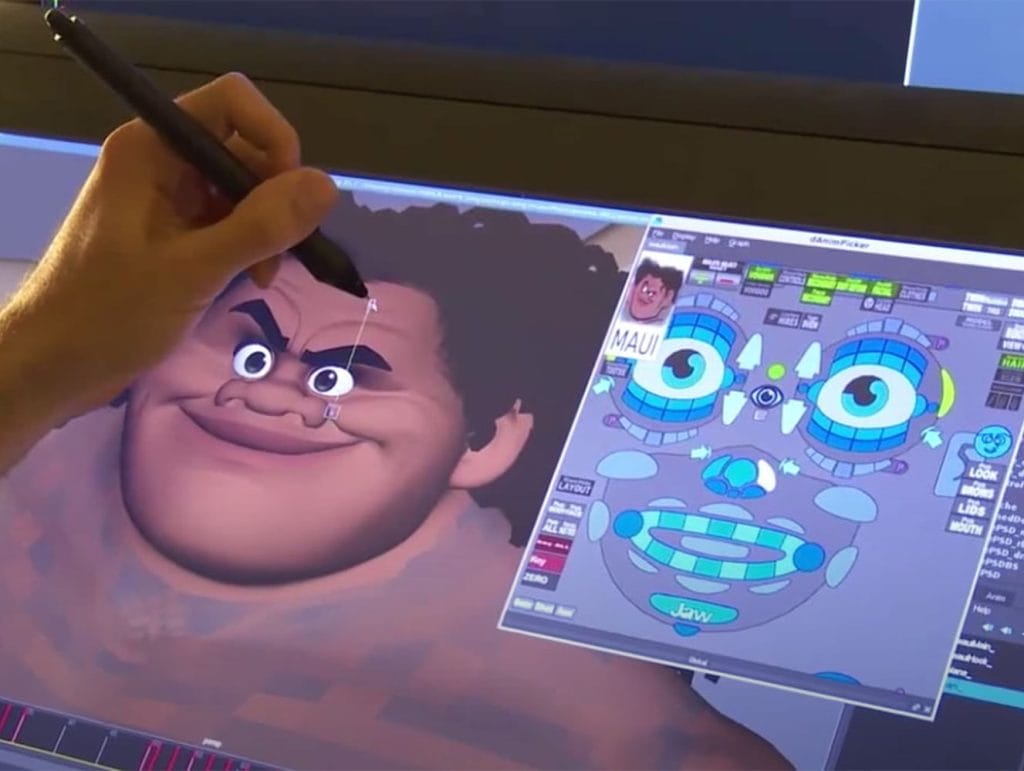
At its core, animated graphic design is the art of giving movement to graphic elements like text, logos, illustrations, and images. Unlike traditional animation, which often focuses on character-driven narratives, motion graphics are typically shorter and more functional. They are designed to convey a message, highlight a feature, or guide a user’s attention in an engaging way.
Think of an animated logo that introduces your brand on a video, a dynamic infographic that breaks down data, or subtle hover effects on a website’s buttons. These are all examples of animated design working to enhance the user experience and communicate your brand’s essence in a more compelling format.
The Unmistakable Benefits of Animation for Your Brand
So, why should you invest in animated graphic design? The benefits go far beyond just looking good. Here’s a detailed look at how it can dramatically improve your brand’s performance and impact:
1. Captivate and Engage Your Audience
In a sea of static content, motion graphics act as a magnet for attention. Research shows that animated visuals can increase engagement by up to 80% compared to static images. By using movement, you can break through the noise, encouraging viewers to stop scrolling and focus on your message. This heightened engagement leads to longer session times on your website, higher click-through rates, and a more interactive experience overall.
2. Tell Your Brand’s Story with Emotion
A brand’s story is its soul. Animation allows you to tell that story in a way that static designs cannot. Through dynamic visual narratives, you can communicate your brand’s history, values, and mission in a compelling and memorable way. Whether you’re creating a short explainer video about your product or a social media ad that showcases your brand’s personality, animation brings your narrative to life and forges an emotional connection with your audience.
3. Simplify Complex Information
Have a complicated product or a multi-step process to explain? Animation is your secret weapon. By using motion, you can simplify intricate ideas into easy-to-understand, bite-sized visuals. Instead of forcing your audience to read through a dense block of text, you can use an animated infographic or explainer video to guide them through the information logically and visually. This not only improves comprehension but also makes the learning process more enjoyable.
4. Boost Brand Recall and Recognition
A unique and well-executed animation can make your brand unforgettable. An animated logo or a consistent style of motion graphics across all your platforms creates a cohesive and professional look that sticks in people’s minds. When a potential customer sees your brand, the dynamic visuals will instantly trigger recognition, building trust and reinforcing your identity. The more memorable you are, the more likely you are to be chosen over a competitor.
Also Read: Build a Strong and Reliable Remote Graphic Design Team
5. Enhance User Experience (UX)
Animation isn’t just for marketing videos; it’s a critical component of modern web and app design. Subtle animations on a website can:
- Guide a user’s eye to a call-to-action button.
- Provide visual feedback when a user interacts with an element.
- Create smooth transitions between different pages or sections.
These small touches make the user’s journey more intuitive and enjoyable, reducing frustration and leading to a more positive overall experience.
How to Implement Animated Design Effectively
Incorporating animation into your brand strategy doesn’t have to be overwhelming. Here are some practical ways to get started:
- Animated Logos: A great way to make a strong first impression. Use it at the beginning and end of videos, on your website’s loading screen, or as a signature element in your presentations.
- Social Media Content: Create eye-catching short videos, animated posts, or GIFs to stop the scroll and drive engagement on platforms like Instagram, LinkedIn, and TikTok.
- Explainer Videos: Use animated videos to showcase a product, explain a service, or present your company’s value proposition in a clear and compelling way.
- Website & UI/UX: Integrate micro-animations for subtle visual feedback, animated icons, or dynamic banner elements to make your website feel more modern and interactive.
- Infographics: Turn static data and statistics into engaging, moving graphics that are easier to digest and more shareable.
Choosing the Right File Format for Performance
While animation is highly engaging, choosing the wrong file format for your platform (especially websites) can severely harm page load speed, negating the UX benefit. Selecting the optimal format is a critical technical decision.
Key File Formats and Their Trade-Offs
| Format | Ideal Use Case | Pros | Cons |
| Lottie/JSON | Micro-animations, animated icons, UI elements on web/app. | Extremely small file size, vector quality (scales perfectly), high performance. | Requires a dedicated Lottie player library to render. |
| MP4 / WebM | Explainer videos, full-screen background loops, social media videos. | Best quality and compression for complex, long-form motion. WebM is ideal for web. | No native transparency channel; requires a video player element. |
| GIF | Simple social media reactions, very short clips, quick memes. | Widely supported, easy to embed. | Massive file size for the duration; limited colour palette; terrible compression. |
| Animated SVG | Simple logo animations, button hover effects. | Vector quality, fully scalable, very small file size. | Only suitable for simple, geometric animations. |
The Modern Choice: For web elements like animated icons or subtle UI feedback, Lottie (a JSON-based animation file) is the modern industry standard. It often results in a file size that is 600% smaller than a GIF of similar complexity, ensuring both speed and quality.
The Bottom Line: Moving Forward with Motion
The digital world is constantly moving, and your brand should be too. Animated graphic design is a vital tool that helps you not only keep up but also lead the way. It empowers you to tell your story, engage your audience, and build a brand that feels dynamic, professional, and full of life.
If you’re ready to make your brand stand out with stunning, purposeful animation, consider partnering with a team of experts. RemoteForce’s graphic design services are here to help you harness the power of motion to create visuals that don’t just exist—they captivate, communicate, and convert. Let’s bring your brand to life.
Get in touch with us today on LinkedIn or Facebook!
Frequently Asked Questions (FAQ)
1. What is the difference between Motion Graphics and Traditional Animation?
- Motion Graphics (Animated Graphic Design) typically involves moving graphic elements, text, and abstract shapes, focusing on conveying information, data, or product features (e.g., an explainer video).
- Traditional Animation (Character Animation) focuses on character-driven narratives and storytelling, often requiring a longer production cycle and more complex rigging.
2. Which software is typically used for professional motion graphics?
The industry standard software is Adobe After Effects, which is used to create the motion itself. Assets (illustrations, text, logos) are often designed beforehand in Adobe Illustrator or Figma and then imported into After Effects for animation.
3. Does adding animation slow down my website speed?
It can, but it doesn’t have to. If you use large, unoptimized GIFs or high-resolution videos without lazy loading, your site will slow down. However, by using modern, compressed formats like Lottie/JSON and WebM for your assets and only loading them when they are visible to the user, you can integrate high-quality animation with minimal impact on performance.
4. How should I budget for a 60-second explainer video?
Costs vary widely based on style and complexity. A 60-second explainer video typically falls into a wide price range depending on whether it’s 2D or 3D, the level of custom illustration required, and whether professional voiceover and music are included. You should budget for a process that includes scriptwriting, storyboarding, custom illustration, animation, and sound design.