In the modern retail landscape, it’s no longer enough to sell on just one platform. Consumers expect a consistent, unified experience whether they’re shopping on your e-commerce site, a major marketplace, or even a social media channel. This is the core principle of omnichannel retail. For marketplace sellers, adopting an omnichannel marketplace strategy is a game-changer.
This article will discover how an omnichannel marketplace works. You’ll learn strategies to connect your sales channels, boost the customer experience, and drive significant business growth by being where your customers are, every step of the way.
Key Takeaways
Adopting an Omnichannel Marketplace strategy is crucial for meeting modern customer expectations for consistency and convenience.
- Definition of Seamlessness: Omnichannel is the integration of all sales channels (e-commerce site, Lazada, Shopee, Instagram) into a single, cohesive system that offers a frictionless customer journey.
- Foundation of Centralization: The strategy relies entirely on a Centralized Inventory and Order Management system to automatically update stock levels across all platforms and streamline fulfillment, preventing overselling.
- Brand Consistency: Use a Unified Visuals and Voice across all marketplaces, social channels, and your own website to instantly build brand recognition and customer trust.
- Connected Service: Customer service must be centralized so that agents have a 360-degree view of the customer’s history and purchase data, regardless of where they initiated the inquiry.
- Smart Marketing Funnel: Use your social media presence (e.g., TikTok) to drive traffic to your most profitable sales channel (whether it’s your website or a specific marketplace).
What is an Omnichannel Marketplace?
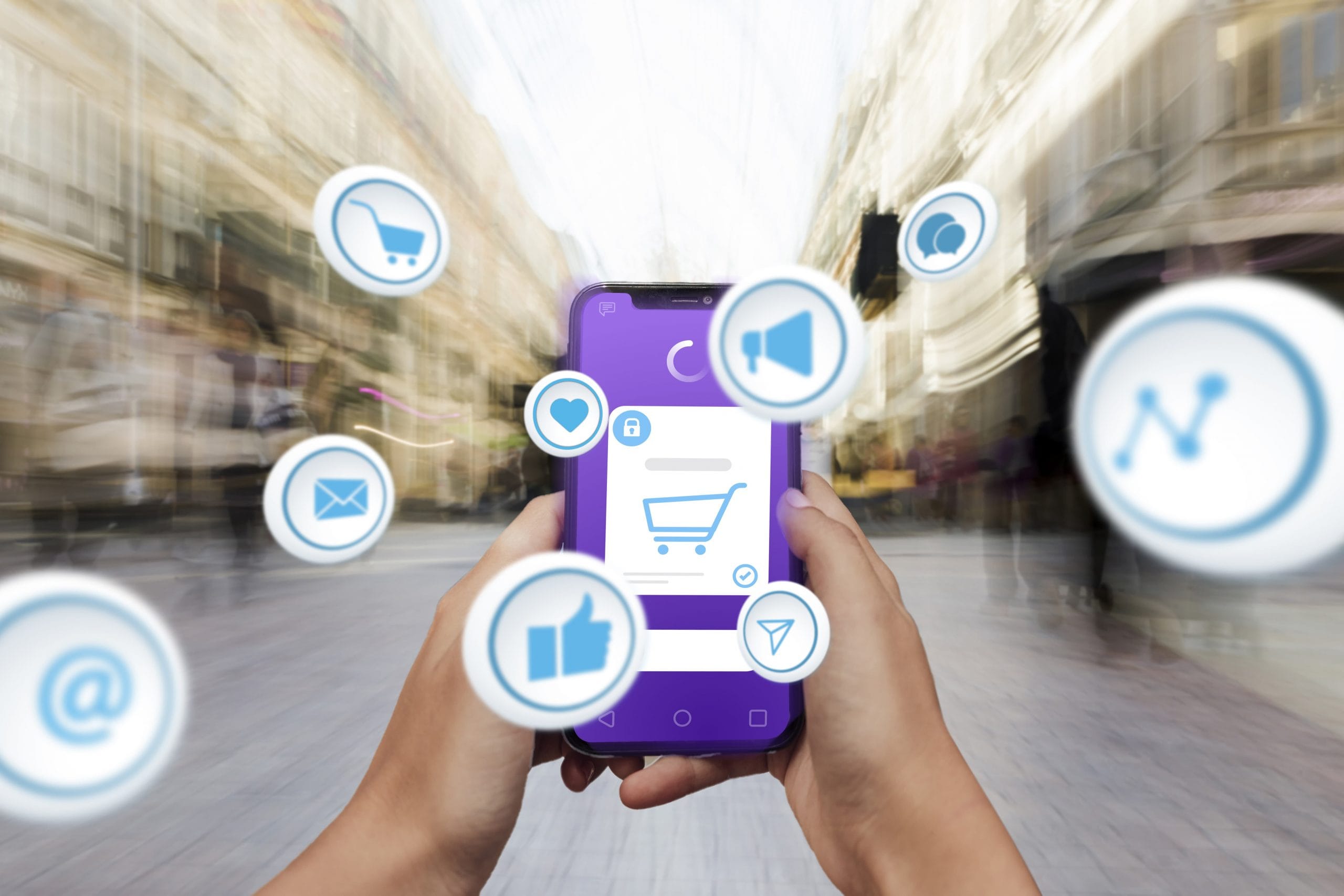
An omnichannel marketplace strategy is not about simply selling on multiple platforms. It’s about integrating all your sales channels into a single, cohesive system. The goal is to create a frictionless customer journey, where a customer’s experience is consistent whether they browse your products on Amazon, follow your brand on Instagram, or complete a purchase on your own website.
Key Idea: It’s a unified strategy, not just a multi-channel presence. All channels from marketplaces to your website and social media work together to support the same customer journey.
Key Strategies for a Seamless Omnichannel Experience
Implementing an omnichannel strategy requires a holistic approach that connects your business on all fronts.
1. Centralized Inventory and Order Management
The foundation of any successful omnichannel strategy is a single source of truth for your inventory.
- Prevent Overselling: By centralizing your inventory management, you can automatically update stock levels across all platforms. This prevents you from selling a product that is out of stock on one channel.
- Streamline Fulfillment: A centralized system allows you to manage all orders from Amazon, Shopify, or eBay from one dashboard. This simplifies logistics and ensures faster, more accurate shipping.
2. Consistent Branding and Messaging
Your brand’s identity should be recognizable and consistent no matter where a customer finds you.
- Unified Visuals: Use the same logo, color palette, and product photography across all your channels. This builds brand recognition and trust.
- Consistent Voice: Ensure your brand’s tone and messaging are the same on your social media, in product descriptions on marketplaces, and in your email communications.
3. Personalized and Connected Customer Service
A seamless customer experience means a customer can start a conversation on one channel and continue it on another without a hitch.
- Centralized Communication: Use a tool that aggregates customer inquiries from all your platforms into one place. This ensures you can respond quickly and have a full view of the customer’s history.
- Tailored Experiences: By leveraging customer data from all your channels, you can provide personalized recommendations and support, making the customer feel valued.
4. Leverage Marketing Across All Channels
Your marketing efforts should work together, not in silos.
- Social Media as a Funnel: Use your social media channels (e.g., Instagram, TikTok) to showcase products and then link directly to the product on a marketplace or your website.
- Data-Driven Ads: Use data from your different sales channels to create more targeted advertising campaigns that drive traffic to the most profitable platform.
Also Read: Multichannel vs Omnichannel Marketing: Key Differences
Essential Technology Stack for Omnichannel Sellers
Achieving true omnichannel success is impossible without the right technological infrastructure to automate data synchronization. For marketplace sellers, specific tools are required to centralize Inventory, Product Information, and Customer Service.
Inventory and Order Management System (IMS/OMS)
- Purpose: This is the heart of the operation. It automatically synchronizes stock levels across all platforms in real-time.
- Key Function: When a product sells on Shopee, the IMS immediately reduces the available stock on your Shopify site and Lazada. It also routes all orders to a central fulfillment dashboard.
Product Information Management (PIM) Software
- Purpose: Ensures the consistency of your product data (titles, descriptions, images, SKUs, pricing) across all marketplaces, which often have different formatting rules.
- Key Function: Instead of manually updating 10 different listings on 5 different platforms, you update the master data in the PIM, and it automatically pushes the correct, channel-specific format to all locations. This is crucial for brand consistency.
Integrated CRM and Centralized Helpdesk
- Purpose: To centralize all customer interactions.
- Key Function: Tools like Zendesk or Freshdesk integrate marketplace message centers (e.g., Lazada chat) with email, phone, and social DMs. This ensures that any customer service agent sees the customer’s full purchase history and communication logs from every channel in one unified ticket.
Conclusion
The future of online retail is omnichannel. By creating a seamless sales experience that connects your platforms, you can meet customer expectations, build a stronger brand, and ultimately drive sustainable growth. It’s about working smarter, not harder, to be a consistent and reliable presence in your customers’ lives.
Ready to build a powerful omnichannel strategy? RemoteForce provides expert digital marketing services that can help you connect your sales channels, optimize your marketplace presence, and build a unified brand experience. Contact us today to learn how our flexible and cost-effective solutions can help your business thrive online.
Get in touch with us today on LinkedIn or Facebook!
Frequently Asked Questions (FAQ)
1. What is the single biggest challenge in implementing an Omnichannel Marketplace strategy?
The biggest challenge is data integration. Getting all disparate systems the e-commerce site, various marketplaces, the inventory software, and the customer service tools to “talk” to each other in real-time is complex and often requires a significant investment in integration middleware or a specialized IMS/OMS.
2. Do I need to use the same pricing on all my Omnichannel platforms?
While consistency is preferred for the customer experience, pricing may differ slightly to account for platform differences. For example, you may need to adjust prices on third-party marketplaces (Shopee, Lazada) to absorb their high commission fees, while offering a lower price on your own website as an incentive for direct purchase. Transparency about this is key.
3. How does Omnichannel help with shipping and logistics?
By using a Centralized Order Management System (OMS), all orders from all channels flow into one fulfillment queue. This allows your logistics team to batch process orders more efficiently, choose the fastest/cheapest shipping option regardless of the source, and provide consistent tracking information, dramatically improving the customer experience.
4. What’s the difference between a PIM and a CRM?
PIM (Product Information Management): Manages all the detailed data about your products (descriptions, images, specifications, etc.).
CRM (Customer Relationship Management): Manages all the detailed data about your customers (contact info, purchase history, communication logs).
Both are essential for a unified omnichannel experience.