In today’s connected world, your customers are everywhere. They’re browsing on their phones, scrolling through social media, checking their email, and even still visiting physical stores. So, how can your business be everywhere they are? The answer is a well-planned multichannel marketing strategy.
This guide will break down exactly what multichannel marketing is, why it’s essential for modern businesses, and how to implement a strategy that drives real results.
Key Takeaways
Multichannel marketing is a foundational strategy for modern businesses, driving higher revenue by expanding visibility and choice.
- Multichannel Defined: It is the strategy of using two or more channels (Social, Email, Physical Store, etc.) to market, with the primary goal of maximizing the reach of each individual channel.
- Company vs. Customer Focus: Multichannel is company-centric (channels operate in parallel). In contrast, Omnichannel is customer-centric, aiming for a unified, seamless experience across all touchpoints. 3. Revenue Growth: Retailers who strategically sell on three or more channels can generate 143% more revenue, proving the financial stability and growth potential of this approach.
- Consistency and Customization: The brand’s core message must be consistent across all platforms, yet the content must be customized to the native format of each channel (e.g., video for TikTok, professional article for LinkedIn).
- Channel Synergy: Channels should work together (e.g., an ad on Facebook driving a follow-up email) to reduce friction and efficiently guide the customer through the journey.
The Core Concept: What is Multichannel Marketing?
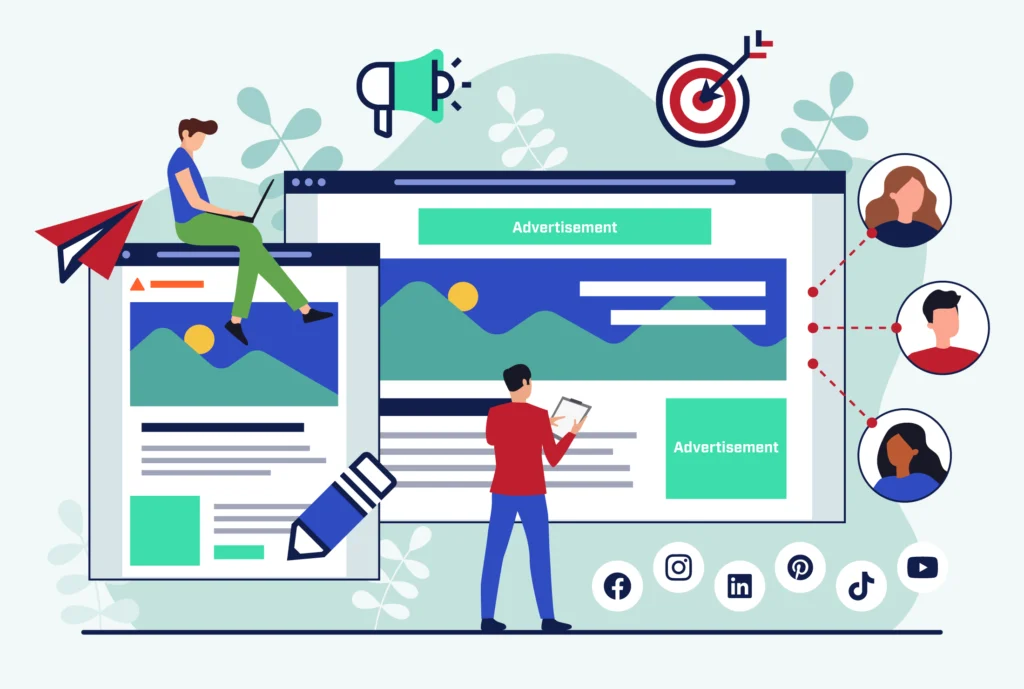
At its simplest, multichannel marketing is the practice of using two or more channels to reach and engage your customers. Think of it as casting a wide net to capture the attention of a diverse audience. Instead of relying on a single approach—like only an email newsletter or a single brick-and-mortar store you intentionally use a variety of platforms to market your products and services.
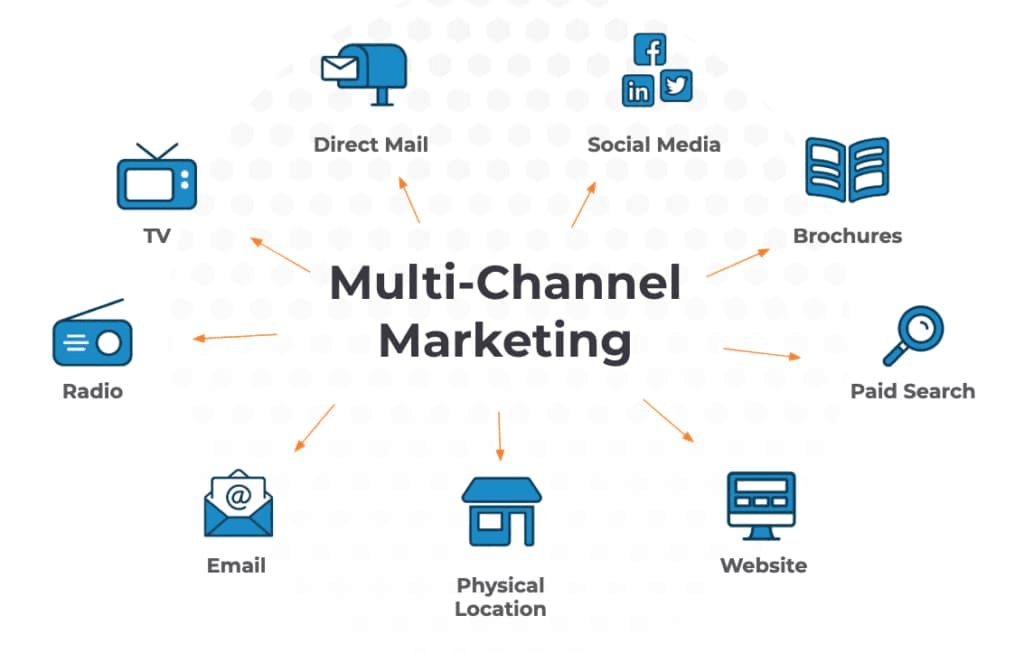
These channels can be a mix of traditional and digital, including:
- Traditional Channels: Print catalogs, television, radio, and physical retail stores.
- Digital Channels: E-commerce websites, social media platforms (Facebook, Instagram, LinkedIn), email, SMS messages, and mobile apps.
The main goal of this approach is to give your customers a choice. They can decide how and where they want to interact with your brand, making the experience more convenient for them.
Multichannel vs Omnichannel: Understanding the Key Difference
The terms “multichannel” and “omnichannel” are often used interchangeably, but they represent two distinct strategies. The key difference lies in their focus and level of integration.
- Multichannel Marketing: This approach is company-centric. The focus is on maximizing the reach of each individual channel. The channels often operate in parallel, and while they are part of a unified strategy, they can sometimes feel like separate, fragmented experiences to the customer.
- Omnichannel Marketing: This strategy is customer-centric. The goal is to create a seamless, cohesive, and unified brand experience across all channels. It’s about integrating every touchpoint so that the customer journey feels fluid and consistent, regardless of which channel they use.
Think of it this way: a multichannel business makes it possible for you to buy a product online or in a store. An omnichannel business makes it possible for you to check online inventory from your phone, purchase the item, and then pick it up seamlessly in-store, with every step of the process integrated.
Why a Multichannel Strategy is Essential for Your Business
A strategic multichannel approach offers significant advantages that go far beyond just using more platforms. It’s a fundamental driver of growth and sustainability.
1. Expand Your Reach and Visibility
This is the most obvious benefit. By being present on multiple channels, you can connect with a broader and more diverse audience that may not have found you otherwise. A study by MIT found that 54% of customers have purchased from brands they had never heard of before, highlighting the importance of simple, accessible visibility. By simply having your products on major marketplaces like Amazon or Etsy, you can tap into a new global customer base and boost brand awareness.
2. Boost Customer Engagement and Experience
Today’s customers have diverse preferences. By offering multiple channels, you allow them to engage with your brand on their terms. This convenience reduces friction and frustration, leading to a better overall customer experience. A brand that is easy to reach through a customer’s preferred channel is more likely to earn their loyalty.
3. Drive Revenue Growth and Stability
The numbers don’t lie. Research shows that retailers who sell on three or more channels generate 143% more revenue than those who use fewer channels. This growth comes from both finding new customers (reach) and providing existing customers with more convenient ways to purchase (depth). The strategy also diversifies your risk—if one sales or marketing channel underperforms, your business isn’t left vulnerable.
4. Build a Stronger, More Recognizable Brand
When your brand’s messaging, visual identity, and tone are consistent across multiple channels, you create a powerful synergy. The repetition of your brand’s cues across different platforms reinforces your message in the customer’s mind. For instance, Nielsen found that campaigns with touchpoints on both television and Facebook experienced a 12-point lift in brand recall compared to single-channel campaigns.
Key Principles for an Effective Multichannel Campaign
Simply being present on multiple channels isn’t enough. You need a strategy. Here are a few key principles to follow.
1. Consistency is Key
Your core message and brand identity should remain consistent across every channel. This includes your logo, slogan, and tone of voice. This consistency builds trust and recognition. In fact, one study predicted that businesses that consistently maintain their brand enjoy a 10-20% increase in revenue.
2. Customize Your Content for Each Channel
While your core message should be consistent, your content must be adapted to each channel’s native format. Don’t simply duplicate content. A post on Instagram should be visually rich, while a LinkedIn post should be more professional and information-heavy. Research shows that campaigns that are both integrated and customized are 57% more effective at building brands.
3. Put Your Customer First
A successful strategy is customer-centric. Ask your customers how they prefer to communicate and use that data to inform your channel choices. With data from multiple touchpoints, you can personalize your messaging—from targeted emails to product recommendations—which significantly boosts conversion rates and fosters loyalty.
4. Make Your Channels Work Together
Your channels should work together to create a more impactful message. For example, a social media ad can introduce a customer to your brand, and a follow-up email can nurture them toward a purchase. Research has found that some combinations, like TV and Facebook, or TV and outdoor media, create particularly strong synergy.
Also Read: Multichannel vs Omnichannel Marketing: Key Differences
Overcoming the Challenges
Implementing a multichannel strategy isn’t without its challenges. The most common issues include:
- Data Silos: Data from each channel can often be stored in separate, isolated systems. This makes it difficult to get a unified view of your customer and accurately measure ROI.
- Management Complexity: Each channel requires a separate management effort, which can be time-consuming and resource-intensive, especially for smaller teams.
The solution to these challenges is often to invest in technology, such as advanced analytics dashboards and reporting tools, that can help you unify data and streamline your operations.
How to Measure Your Success
To ensure your investment is paying off, you need a clear framework for measuring success. Here are a few essential KPIs (Key Performance Indicators) to track:
| KPI | What It Tells You |
|---|---|
| Conversion Rate (CR) | The percentage of users who complete a desired action (e.g., make a purchase, sign up). |
| Click-Through Rate (CTR) | The percentage of users who click on a campaign asset, like an ad. |
| Customer Acquisition Cost (CAC) | The total cost to acquire a new customer. To be profitable, your CLV must be higher than your CAC. |
| Customer Lifetime Value (CLV) | The total revenue a customer is expected to generate over their relationship with your business. |
| Return on Marketing Investment (ROMI) | The profitability of your marketing efforts relative to their cost. |
Real-World Examples
Apple: The In-Store Experience
Apple’s strategy is a masterclass in multichannel purpose. While most sales happen online, their physical stores act as a customer experience and education hub. They are low-pressure environments where customers can try products, get support, and build brand loyalty all of which drives online sales.
Starbucks: The Seamless App
Starbucks created a seamless loyalty ecosystem with its app. You can load money, order ahead, and earn rewards across your phone, their website, and in-store. This integration removes barriers and makes it incredibly easy for customers to engage, boosting loyalty and repeat business.
Rebecca Minkoff: The Smart Store
The fashion brand Rebecca Minkoff noticed that in-store shoppers were using their phones to check for sizes and reviews online. In response, they added interactive screens and mobile purchasing options to their physical stores, creating a true hybrid shopping experience that boosted ready-to-wear sales by 6-7x in just six months.
Conclusion
Multichannel marketing is no longer just a buzzword it’s a necessity for any business looking to thrive in a competitive market. By strategically using multiple channels, you can expand your reach, enhance the customer experience, and ultimately drive significant revenue growth. The key is to be strategic, data-driven, and focused on creating a seamless and valuable journey for your customers.
Crafting a powerful multichannel marketing strategy requires expertise across a variety of digital platforms. If you need support with a cohesive and impactful digital marketing campaign, our team at RemoteForce can help. As an outsource manpower agency, we provide skilled professionals in digital marketing, graphic design, web development, and more to help you execute your vision and achieve your business goals.
Get in touch with us today on LinkedIn or Facebook!
Frequently Asked Questions (FAQ)
1. Which channels are essential for a startup to begin with?
Start with the channels that offer the best combination of low cost and high audience concentration. Typically, this means:
- A highly-optimized website/landing page (as the conversion hub).
- Email Marketing (for nurturing leads low cost).
- One key social media platform (e.g., LinkedIn for B2B, Instagram/TikTok for B2C/E-commerce).
2. What is the most common technological challenge in Multichannel marketing?
Data Silos. This occurs when information from the website, social media, and email software systems cannot communicate with each other. This prevents marketers from seeing a full view of the customer and accurately attributing sales to the correct starting channel.
3. Is Multichannel Marketing suitable for B2B businesses in Singapore?
Absolutely. B2B relies heavily on consistency and trust. The key channels would focus on professional platforms (LinkedIn for content/networking), Search Engine Optimization (SEO) for high-intent research, and personalized Email Nurturing for lead conversion.
4. Can I achieve Multichannel success with only two channels?
Yes, if those two channels are the most relevant to your audience and are managed with the principles of consistency and customization. A strong strategy focused on Email and a Blog can be more effective than a weak strategy spread across ten disconnected channels.