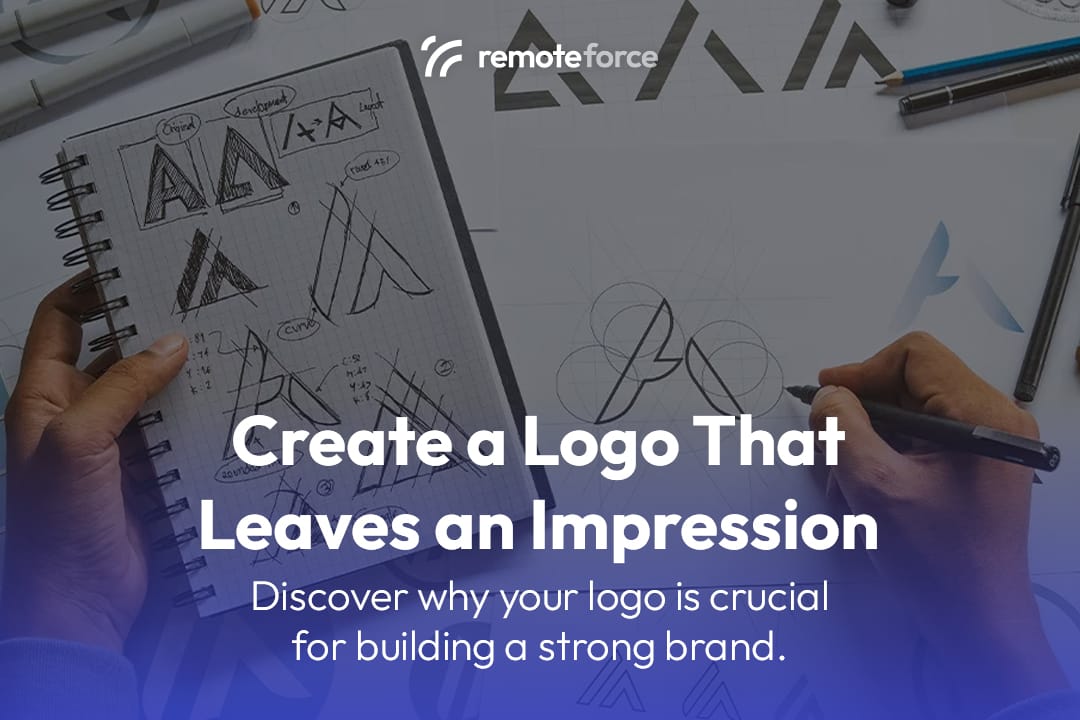
In today’s competitive marketplace, a strong brand is what separates a successful business from one that gets lost in the crowd. And at the heart of every great brand is a powerful, memorable logo. Your logo isn’t just a simple graphic; it’s the visual cornerstone of your entire brand identity. It’s the first thing customers see and the image they’ll associate with your company long after they’ve left your website or store.
This article will explore the fundamental importance of a logo and how it serves as the foundation for building a strong, recognizable brand. We’ll dive into what makes a logo effective and offer actionable insights to help you understand its crucial role in your business’s success.
Key Takeaways
A logo is the silent ambassador of your brand, serving as the most critical visual asset for memory, trust, and consistency.
- Immediate Recognition: The logo is the most essential element for brand recall, acting as the company’s unique “face” and fingerprint across all platforms and media.
- Sets the Visual Tone: The colours, typography, and style within the logo are the foundational elements that determine the entire aesthetic of your marketing, website, and packaging materials.
- Simplicity Drives Versatility: The most enduring and effective logos are simple, scalable, and versatile, ensuring they work equally well in black-and-white, tiny app icons, or large print formats.
- Strategic Choice: The design process requires choosing the right style—whether a Wordmark for name recognition or a Combination Mark for balanced appeal—based on your brand’s unique needs and market positioning.
Your Logo as the Face of Your Brand
Think of your logo as the face of your company. It’s the visual representation that communicates your core values, personality, and mission to the world. A well-designed logo can instantly convey whether your brand is modern and tech-focused, traditional and reliable, or creative and playful. This visual shorthand is incredibly powerful, as it allows customers to form an immediate emotional connection with your brand.
A logo is a critical component of your overall branding strategy. Your brand encompasses everything your company stands for—its reputation, customer experience, and values. The logo is the single, most recognizable element that visually ties all of these aspects together.
How a Logo Lays the Foundation for Branding
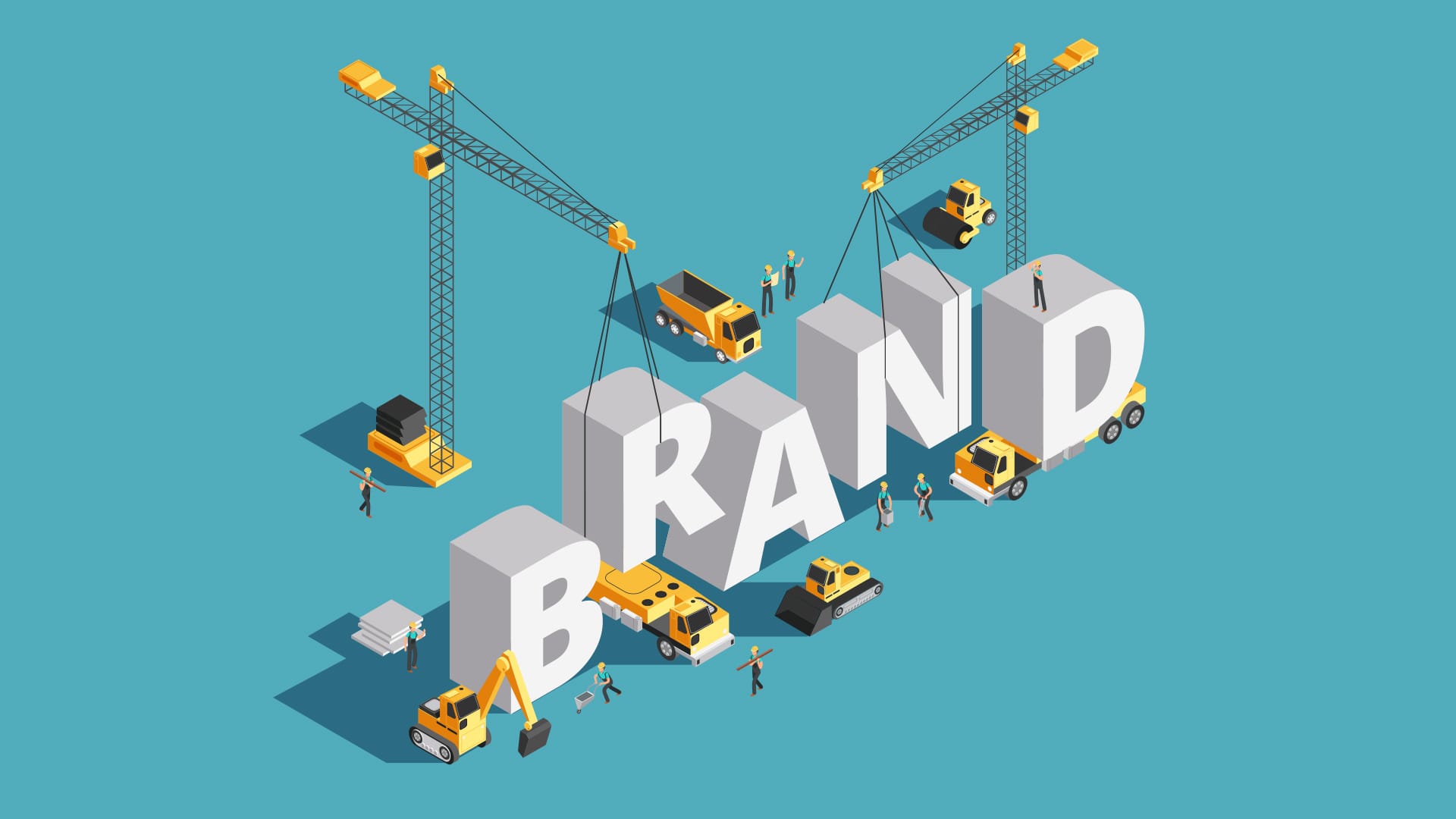
The impact of a logo extends far beyond a simple visual. It plays several key roles in establishing and strengthening your brand.
1. It Creates a Distinctive Identity
In a sea of competitors, your logo is what makes you unique. A logo that is distinct and well-executed helps you stand out and be remembered. When a logo is truly unique, it acts as a fingerprint for your business, ensuring that customers can easily identify you across all platforms from social media profiles and websites to physical products and advertising.
2. It Builds Trust and Credibility
A professional, polished logo signals that your business is legitimate and trustworthy. It shows customers that you are serious about your operations and dedicated to your brand’s image. On the other hand, a generic or poorly designed logo can raise red flags, making potential customers question the quality of your products or services. Consistency is key here; when your logo is consistently used on all your marketing materials, it builds a sense of reliability and professionalism.
3. It Fosters Brand Recognition and Loyalty
Brand recognition is the ability of consumers to identify your brand from your logo, colors, or other design elements. A great logo is memorable, making it easier for people to recall your brand when they need your product or service. Over time, as customers have positive experiences with your business, your logo becomes a symbol of that quality and trust. This familiarity fosters brand loyalty, turning one-time buyers into repeat customers.
Also Read: Minimalist Logo Ideas That Make a Big Impact
4. It Sets the Tone for Your Visual Style
Your logo is the starting point for your entire visual identity. The colors, fonts, and style used in your logo will inform the design choices for all your other marketing assets. This includes your website, business cards, social media graphics, and packaging. A cohesive visual style, driven by a strong logo, makes your brand feel professional and organized. It ensures that every interaction a customer has with your business feels consistent and on-brand.
Tips for Creating a Lasting Logo
- Keep it Simple: The most effective logos are often the simplest. Think of the Nike swoosh or the Apple logo. Simple designs are more versatile, memorable, and easier to recognize at different sizes.
- Make it Relevant: Your logo should reflect your industry and brand personality. A logo for a law firm will look very different from one for a children’s toy company, and for good reason. The design should resonate with your target audience.
- Ensure Versatility: A great logo works everywhere. It should look good in black and white, on a website header, as a social media icon, and on a billboard. It should be scalable without losing its integrity.
Understanding Logo Anatomy: The 7 Main Types and When to Use Them
A successful logo designer doesn’t just draw a picture; they choose a strategic format. The style of logo you select impacts everything from memorability to application versatility.
The 7 Main Types of Logos
| Logo Type | Description | Best Used For | Example |
| 1. Wordmark | Text-based logo focusing on the company name using unique typography. | Brands with short, distinct names that need high recognition. | Google, Coca-Cola |
| 2. Lettermark (Monogram) | Logo composed of the brand’s initials. | Companies with long names that need a compact visual identity. | IBM, HP, CNN |
| 3. Pictorial Mark | An icon or graphic symbol that is a recognizable, real-world image. | Brands with strong established recognition or a clear service focus. | Apple (apple), Twitter (bird) |
| 4. Abstract Mark | A unique, geometric, or abstract symbol that does not represent anything concrete. | Large global brands seeking a unique, scalable symbol free of cultural baggage. | Nike (Swoosh), Pepsi |
| 5. Mascot | An illustrated, often anthropomorphic, character representing the brand. | Brands targeting families, children, or those seeking a fun, friendly tone. | KFC’s Colonel, Michelin Man |
| 6. Emblem | The name and symbol are intertwined into a single shape (e.g., a badge or seal). | Traditional industries, schools, or governmental organizations seeking authority and heritage. | Starbucks (early versions), Harley-Davidson |
| 7. Combination Mark | A logo that combines the symbol/icon with the company name (Wordmark). | The most popular and versatile choice, offering the benefits of both word and image. | Lacoste, Burger King |
Strategic Advice: For most new businesses in Singapore, a Combination Mark is highly recommended, as it allows the visual mark to become recognizable while still having the full company name present to build name equity.
Conclusion
Your logo is more than just a symbol; it’s a critical investment in your brand’s future. It’s the silent ambassador for your business, working tirelessly to build recognition, trust, and loyalty. By understanding its foundational role, you can ensure your logo is a strategic asset that propels your brand forward.
Building a powerful brand identity requires expert hands. If you need a logo that truly captures the essence of your business and stands out from the competition, look no further. RemoteForce’s graphic design services specialize in creating stunning logos and complete branding packages that will set your business up for success. Let us help you craft a logo that not only looks great but also works hard for your brand.
Get in touch with us today on LinkedIn or Facebook!
Frequently Asked Questions (FAQ)
1. What file types should I receive from my designer?
You must receive vector files—specifically, AI (Adobe Illustrator) or EPS (Encapsulated PostScript). These files are infinitely scalable without losing quality. You should also receive high-resolution raster files like PNG (with transparent background) for digital use, and PDF for print use.
2. What is the difference between a vector and raster logo?
- Vector (e.g., .ai, .eps, .svg): Created using mathematical equations, allowing it to be scaled up infinitely (e.g., from a business card to a billboard) without any loss of quality or pixelation. This is the master file.
- Raster (e.g., .jpg, .png): Created using coloured pixels. It becomes blurry or pixelated when scaled up beyond its original resolution. It is used only for final output (e.g., website graphics).
3. How long does the professional logo design process typically take?
A professional, strategic logo design process usually takes between 4 to 8 weeks. This timeline includes the initial research/strategy phase, concept development, client review/feedback rounds, and the final delivery of a complete logo package.
4. Do I need to trademark my logo?
While you automatically receive common law copyright protection upon creation, trademarking your logo (through IPOS in Singapore) is essential for legal protection. A trademark prevents competitors from using a confusingly similar logo or name, protecting your brand equity and providing legal recourse against infringement.

- How Layout Impacts Conversions: The Science Behind Design That Sells - February 11, 2026
- What Is Visual Hierarchy? A Guide to Organizing Design Elements That Guide the Eye - February 11, 2026
- What Is Layout Design? The Foundation of Visual Communication That Drives Results - February 10, 2026