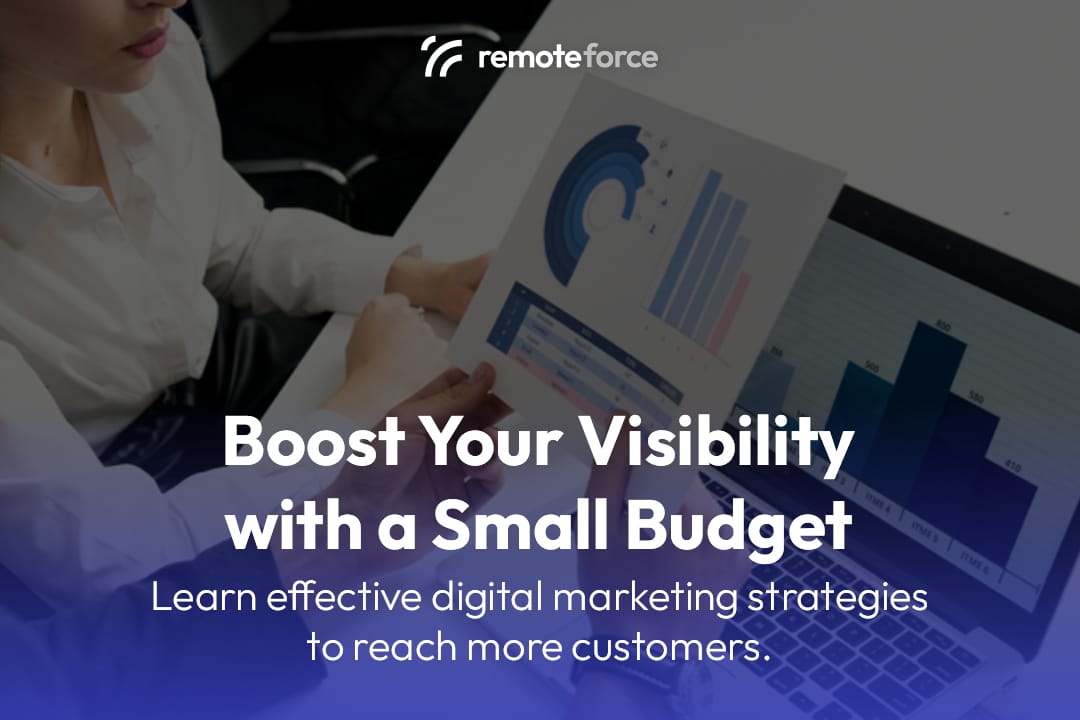
In a digital-first world, a strong online presence is essential for business growth. However, for startups and small businesses, a limited marketing budget can feel like a significant obstacle. The good news is that you don’t need a huge war chest to compete. With the right approach and a bit of creativity, you can implement effective digital marketing strategies on a small budget.
This guide will show you how to maximize your resources, boost visibility, and reach more customers by focusing on smart, efficient, and high-impact tactics.
Key Takeaways
A limited budget is not a barrier to digital marketing success; it’s a call for strategic creativity. By focusing on smart, high-impact, and low-cost channels, small businesses can achieve sustainable growth.
- Prioritize Long-Term Assets: Focus on Content Marketing and SEO (Blogging, Videos) as these strategies build organic traffic and authority over time with minimal direct cost.
- Engagement over Spending: Leverage Organic Social Media by genuinely engaging with your audience and using User-Generated Content (UGC) instead of relying solely on paid campaigns.
- High ROI Channel: Email Marketing is the most cost-effective channel for customer retention and nurturing leads towards conversion.
- Go Local: If you serve a geographic area, Local SEO (Google Business Profile) is a free, powerful tool to capture high-intent nearby customers.
- Amplify Your Reach: Strategic Partnerships (guest blogging, joint giveaways) allow you to tap into established, new audiences for little to no cost.
Digital Marketing Strategies on Small Budget

Expensive paid ad campaigns and celebrity endorsements are not the only way to get your brand noticed. The key is to focus on channels that offer a high return on effort and investment, rather than just on a high ad spend.
1. Master Content Marketing and SEO
Content marketing is arguably the most powerful long-term strategy for businesses on a small budget. It’s about creating valuable content that attracts and retains an audience.
- Start a Blog: Create a blog that answers your customers’ most common questions. This positions you as an industry expert and drives organic traffic from search engines.
- Focus on Keywords: Use free tools to find relevant keywords with low competition. Create high-quality, long-form articles that address these topics in depth. This helps your content rank higher in search results over time.
- Create a Video Strategy: Platforms like YouTube, TikTok, and Instagram Reels are great for organic reach. Create short, engaging videos that provide value or entertainment related to your brand.
2. Leverage Social Media Organically
You don’t need a big ad budget to build a community on social media. Consistent, strategic engagement is far more effective.
- Choose the Right Platform: Don’t try to be on every platform. Focus on the one or two where your target audience spends most of their time.
- Engage, Don’t Just Post: Reply to comments, ask questions in your posts, and use polls or quizzes to encourage interaction. Building a real community fosters loyalty and word-of-mouth referrals.
- Use User-Generated Content: Encourage your customers to post about your products or services. Reposting their content not only saves you time but also serves as powerful social proof.
3. Implement a Smart Email Marketing Funnel
Email marketing remains one of the most cost-effective channels for customer retention and sales.
- Build Your List: Offer a free resource (like an e-book or a checklist) in exchange for an email address. This is a low-cost way to build a list of interested leads.
- Automate Your Campaigns: Use email marketing platforms to set up automated sequences for new subscribers. Send a welcome series, share valuable content, and nurture them toward a purchase.
4. Prioritize Local SEO
If you have a physical location or serve a specific geographic area, local SEO is your best friend.
- Claim Your Google Business Profile: This free tool allows you to show up in local search results and on Google Maps. Fill it out completely with accurate information and encourage customer reviews.
- Local Listings: Ensure your business is listed in local directories and online review sites. Consistency in your name, address, and phone number (NAP) is crucial.
5. Forge Strategic Partnerships
Collaboration with other businesses can expand your reach exponentially at a minimal cost.
- Guest Blogging: Write a guest post for a blog in a related but non-competing industry. This helps you reach a new audience and build valuable backlinks to your site.
- Social Media Collaborations: Partner with a brand that shares your target audience. You can run a joint giveaway or a live Q&A session to cross-promote each other’s brands.
Also Read: Facebook Marketing Tips for Small Businesses
Measurement and Optimization with Free Tools
For businesses on a small budget, every action must be measured to ensure effectiveness. You don’t need expensive software; you can make data-driven decisions using these powerful, free resources.
Utilize Google Analytics 4 (GA4)
This free platform is the foundation of digital measurement.
- Key Action: Track where your visitors come from (Source/Medium), what content they engage with most, and which marketing channel (SEO, Social, Email) is driving actual conversions (purchases, sign-ups). This ensures you invest time in the most effective channels.
Master Google Search Console (GSC)
GSC is essential for SEO success and is completely free.
- Key Action: Monitor your website’s performance in Google Search results. Identify the exact search queries (keywords) you are ranking for, see which pages have technical issues, and find opportunities to improve click-through rates (CTR) by optimizing your title tags and meta descriptions.
Implement Conversion Tracking
Whether it’s a form submission or a click on a button, define a Conversion Goal in both GA4 and your chosen email/ad platform.
- Key Action: By focusing on the cost per acquisition (CPA) or cost per conversion, you can prove the return on your effort (ROE) for every strategy, allowing you to scale up the most successful low-cost tactics.
Focus on A/B Testing
Once you have data, you can start testing small changes for massive results.
- Key Action: Use the free features in your email marketing platform to test two subject lines for every email. Test two versions of a headline on your blog. This iteration process is a continuous, no-cost way to boost performance.
Conclusion
A limited budget is not a barrier to digital marketing success; it’s an opportunity to be more creative and strategic. By focusing on high-impact, low-cost strategies like content marketing, organic social media, and email nurturing, you can build a powerful online presence that drives sustainable growth. The key is to be consistent, patient, and to always provide value to your audience.
Ready to implement effective digital marketing strategies without breaking the bank? RemoteForce provides expert digital marketing services tailored to your budget and business needs. Our skilled professionals can help you boost visibility, reach more customers, and grow your business with smart, cost-effective solutions. Contact us today to learn how our digital marketing team can help you succeed.
Get in touch with us today on LinkedIn or Facebook!
Frequently Asked Questions (FAQ)
1. How long does it take to see results from low-budget digital marketing strategies?
Strategies focused on organic growth (SEO, Content Marketing, and Organic Social) are long-term investments. You should expect to see significant, measurable results, such as increased organic traffic and improved rankings within 6 to 12 months of consistent effort. Email marketing, however, can provide quicker returns if you have an established list.
2. Which free tools are absolutely essential for a small budget?
The three non-negotiable free tools are:
- Google Analytics 4 (GA4): For traffic and behavior analysis.
- Google Search Console (GSC): For monitoring search performance and site health.
- A Free Tier Email Platform (e.g., Mailchimp or MailerLite): To start building and nurturing your email list.
3. If I only have time for one strategy, which should I choose?
If you are a product-based business (eCommerce) or a local service provider, Local SEO (Google Business Profile) should be your priority, as it drives high-intent traffic quickly. For content-driven businesses (blogs, B2B services), Content Marketing and SEO is the best long-term investment.
4. Should a business on a small budget ever use paid advertising?
Yes, but strategically. Paid ads (like Google Search Ads or social media boosts) should only be used after you have organic strategies generating data. Use paid ads to:
- Test a winning piece of content quickly.
- Drive traffic to high-converting landing pages.
- Retarget existing website visitors who didn’t convert (which requires a smaller budget).

- What Is Logo Design? A Complete Guide to Creating Memorable Brand Marks - February 2, 2026
- What Is Brand Identity? The Complete Guide to Building Recognition - February 2, 2026
- How Graphic Design Works: A Step-by-Step Process Guide - January 30, 2026