In the retail world, a product’s packaging is its silent salesperson. It’s the first thing a customer sees, the first thing they touch, and the final factor that can sway a purchasing decision. Whether on a physical shelf or in a digital storefront, product packaging design is a powerful tool that tells your brand’s story, communicates value, and ultimately drives sales.
Great packaging goes far beyond just protecting the product inside. It’s a strategic blend of art and science that builds an emotional connection, distinguishes you from competitors, and creates a memorable unboxing experience. In this article, we’ll explore the key principles of effective packaging design and how it can transform your product’s success.
Key Takeaways
Product packaging is a critical marketing channel that drives impulse purchases, establishes brand trust, and transforms product delivery into a memorable customer experience.
- Dual World Strategy: Effective design must be optimized for two distinct environments: physical shelves (where tactile feel matters) and digital screens (where small thumbnail clarity and high-quality 3D renders are vital).
- The Unboxing Moment: For e-commerce brands, the unboxing experience—the physical delivery of the product—is a key opportunity to build brand loyalty and viral shareability.
- Compliance is Non-Negotiable: A successful design must first and foremost be legally compliant with local labeling requirements (e.g., ingredients, warnings, weights) before focusing on aesthetics.
- Functionality Precedes Form: The design must be mapped onto a precise dieline (the 3D template) and be production-ready with the correct bleed, resolution, and colour modes to ensure professional printing quality.
Why Packaging Design Is More Important Than You Think
In a market saturated with choices, your packaging is your competitive advantage. Here’s a closer look at its impact:
1. It’s Your Brand’s First Impression
Before a customer even knows your brand name, they see your product’s packaging. It needs to convey your brand’s personality is it playful, luxurious, eco-friendly, or high-tech? The colors, fonts, and materials you choose instantly communicate who you are and what you stand for. A strong first impression is critical for capturing attention in a crowded marketplace.
2. It Drives Purchasing Decisions
Studies have shown that packaging has a significant influence on consumer buying behavior. In a study by the Paper and Packaging Board, one-third of consumers said that packaging design is an important factor in their decision-making. People make quick, subconscious judgments, and a well-designed package can create a perception of higher quality, even before the product is used.
3. It Communicates Key Information Clearly
Effective packaging is functional as well as beautiful. It must clearly and concisely communicate essential information, such as the product name, benefits, and instructions for use. Good design uses hierarchy to guide the eye, ensuring the most important details are easy to find, which is especially crucial for quick purchasing decisions both in-store and online.
Designing for a Dual World: Shelves and Screens
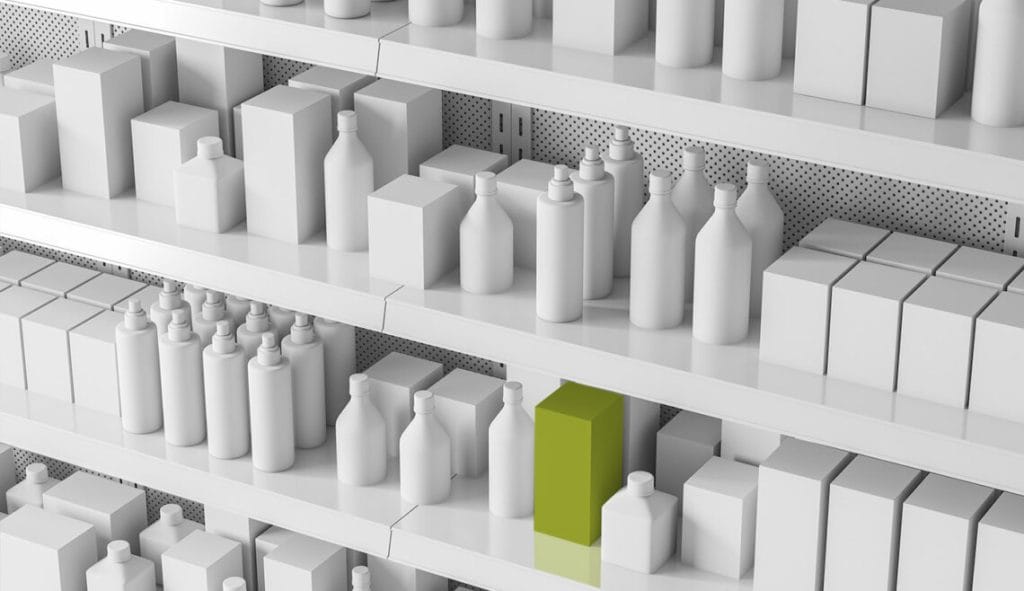
Today’s packaging must be optimized for both the physical and digital shopping experiences. What works on a shelf may not translate well to a tiny thumbnail on a smartphone screen.
On the Shelf (In-Store)
Visual Impact: Your design must stand out from a distance. Bold colors, unique shapes, and clear typography are essential for grabbing attention.
Tactile Experience: The feel of the packaging—the texture, weight, and material—creates a sensory connection. High-quality materials can make a product feel more valuable.
“Shopability”: The design should be easy to understand at a glance. Consumers should be able to quickly identify the product’s purpose and key features without having to search for a barcode.
On the Screen (E-commerce):
Digital Clarity: Your packaging design needs to be legible and impactful even when viewed as a small image. Details that look good up close can get lost online.
Hero Shots and 3D Renders: Showcasing your product from multiple angles is crucial. High-quality “hero shots” and 3D renders help customers visualize the product in their hands.
The “Unboxing” Experience: Online shoppers can’t physically hold the product before they buy, so the unboxing experience becomes a key part of the brand journey. Thoughtful interior packaging, personalized notes, and unique box designs can create a viral, shareable moment that builds brand loyalty.
Also Read: Starting a Business? Your Practical Branding Checklist (Logo, Brand Guide & More)
Key Elements of Winning Packaging Design
To create packaging that truly sells, focus on these essential elements:
- Clear & Compelling Branding: Your logo and brand name should be prominent and recognizable. The design should reflect your brand’s unique identity and story.
- Effective Color Palette: Colors evoke emotions and have psychological associations. Choosing the right palette can create a feeling of trust, excitement, or luxury, instantly setting the tone for your product.
- Readable Typography: The fonts you use should not only align with your brand’s aesthetic but also be easy to read at a glance, both in-store and online.
- Premium Materials & Finishes: The quality of your materials, from the box itself to any metallic foils or matte finishes, communicates the quality of the product inside.
- Sustainability: With a growing number of consumers prioritizing eco-friendly products, sustainable packaging materials can be a major selling point and a powerful way to showcase your brand’s values.
Mandatory Compliance and Technical Specifications for Print Production
A stunning visual design is worthless if it cannot be printed correctly or fails to meet legal requirements in the Singapore market. The following technical and regulatory steps are critical.
1. Regulatory Compliance (The Legal Mandates)
Before final printing, the design must allocate space for and include all mandated information based on your product category (e.g., food, cosmetics, electronics).
- Singapore/Regional Labeling: Ensure you meet specific requirements from agencies like the Singapore Food Agency (SFA) or relevant trade bodies regarding ingredient lists, nutritional information, expiry dates, batch codes, and official safety warnings.
- Barcode/QR Code Placement: The barcode must be positioned correctly (usually on the back or bottom), sized appropriately, and printed in high-contrast colours to ensure easy scanning.
- Mandatory Language: Depending on your target market (e.g., Singapore, Malaysia, Indonesia), certain regulatory text may need to be presented in multiple languages.
2. The Critical Role of the Dieline
The dieline is the flat, two-dimensional template that represents the 3D shape of your finished box or container. It is the backbone of the production process.
- Functionality Check: The dieline ensures the packaging will assemble correctly, fit the product securely, and provide necessary protection during shipping.
- Design Mapping: The design must be meticulously mapped onto this template, ensuring that elements that wrap around corners or join at seams align perfectly.
3. Print Production Checklist
- Colour Modes: All files must be set to CMYK (Cyan, Magenta, Yellow, Key/Black) for commercial printing, not RGB (which is for screens). Failure to do this results in color inaccuracy.
- Bleed: All elements that extend to the edge of the package must extend a few millimeters past the trim line (the bleed) to prevent white gaps if the paper shifts slightly during cutting.
- Resolution: Design files must be high resolution, typically 300 DPI (Dots Per Inch) at 100% print size.
Conclusion
Your product packaging is a powerful asset in your marketing toolkit. It’s a medium that bridges the gap between your brand and your customer, turning a simple product into a story, an emotion, and an experience. By investing in strategic and thoughtful design, you can ensure your product not only gets noticed but also gets chosen.
Whether you’re launching a new product or looking to refresh an existing one, professional packaging design is the key to standing out in a crowded market. RemoteForce’s graphic design services can help you create packaging that is both visually stunning and strategically effective, transforming your product into a brand that sells itself.
Get in touch with us today on LinkedIn or Facebook!
Frequently Asked Questions (FAQ)
1. How much should I budget for packaging design vs. printing?
While printing costs vary by volume and material, budgeting for professional design and strategy should typically be 1.5 to 3 times more expensive than basic print production setup fees (per SKU). You are paying for the strategic thinking, market analysis, and creation of the dieline-ready files, which is a one-time investment in your product’s success.
2. What is the difference between a dieline and a mockup?
- Dieline: The technical, flat, vector template used by the printer to cut the material. It’s the blueprint.
- Mockup: The 3D visual render of the packaging used for marketing materials, presentations, and product listings (e.g., on Amazon or your website).
3. Which packaging materials are currently considered the most sustainable?
The most sustainable options are those that are recyclable, compostable, or use recycled content:
- FSC-certified paper and cardboard (from sustainable forestry).
- Biodegradable/Compostable bioplastics (plant-based).
- Recycled PET (rPET) plastic for bottles and containers.
4. Where can Singapore businesses find reputable packaging suppliers/printers?
Look for local or regional suppliers with strong certification (e.g., ISO, FSC). Reputable options often include large commercial printers in Singapore who handle mid-to-high volume jobs, or specialized packaging manufacturers in nearby countries like Malaysia or Vietnam (often sourced through logistics partners or specialized packaging brokers) who offer better economies of scale.

- What Are Packaging Design Services ? Why Your Product’s First Impression Depends on Them - February 24, 2026
- What Are Website Design Services? A Complete Guide for Businesses in 2026 - February 24, 2026
- What Is Marketing Collateral Design And Why It Makes or Breaks Your Brand - February 23, 2026